Published: November 2026
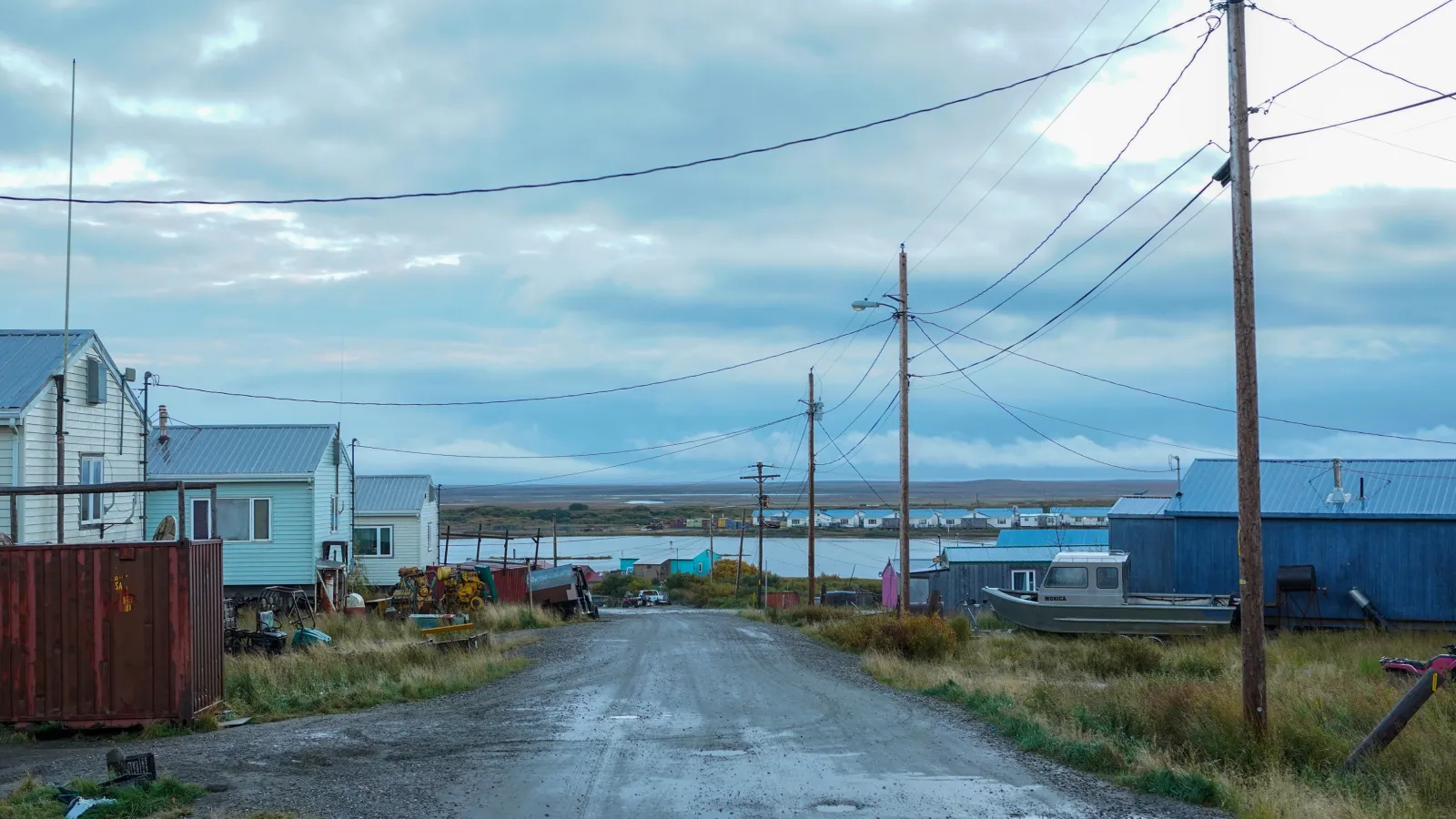
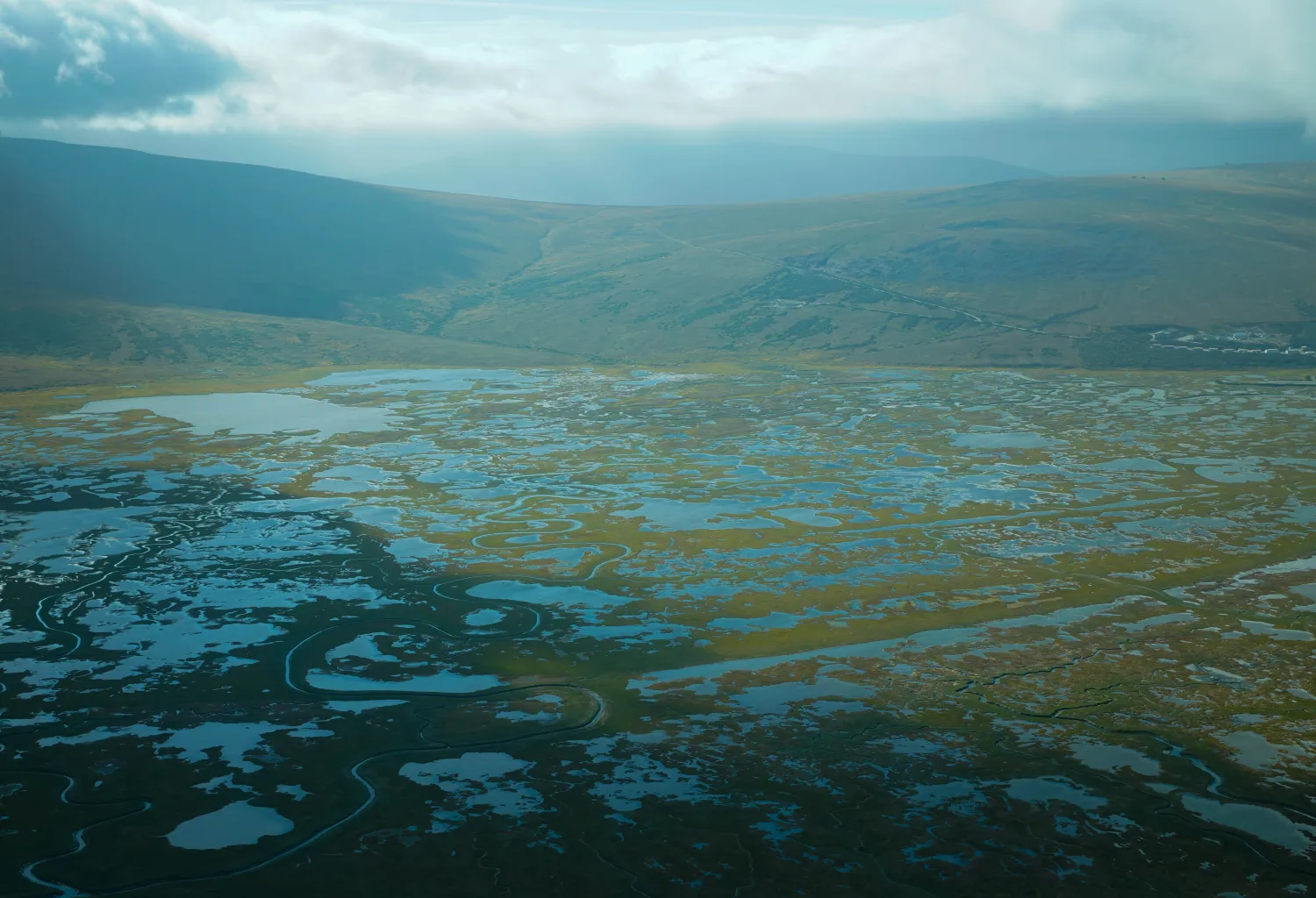
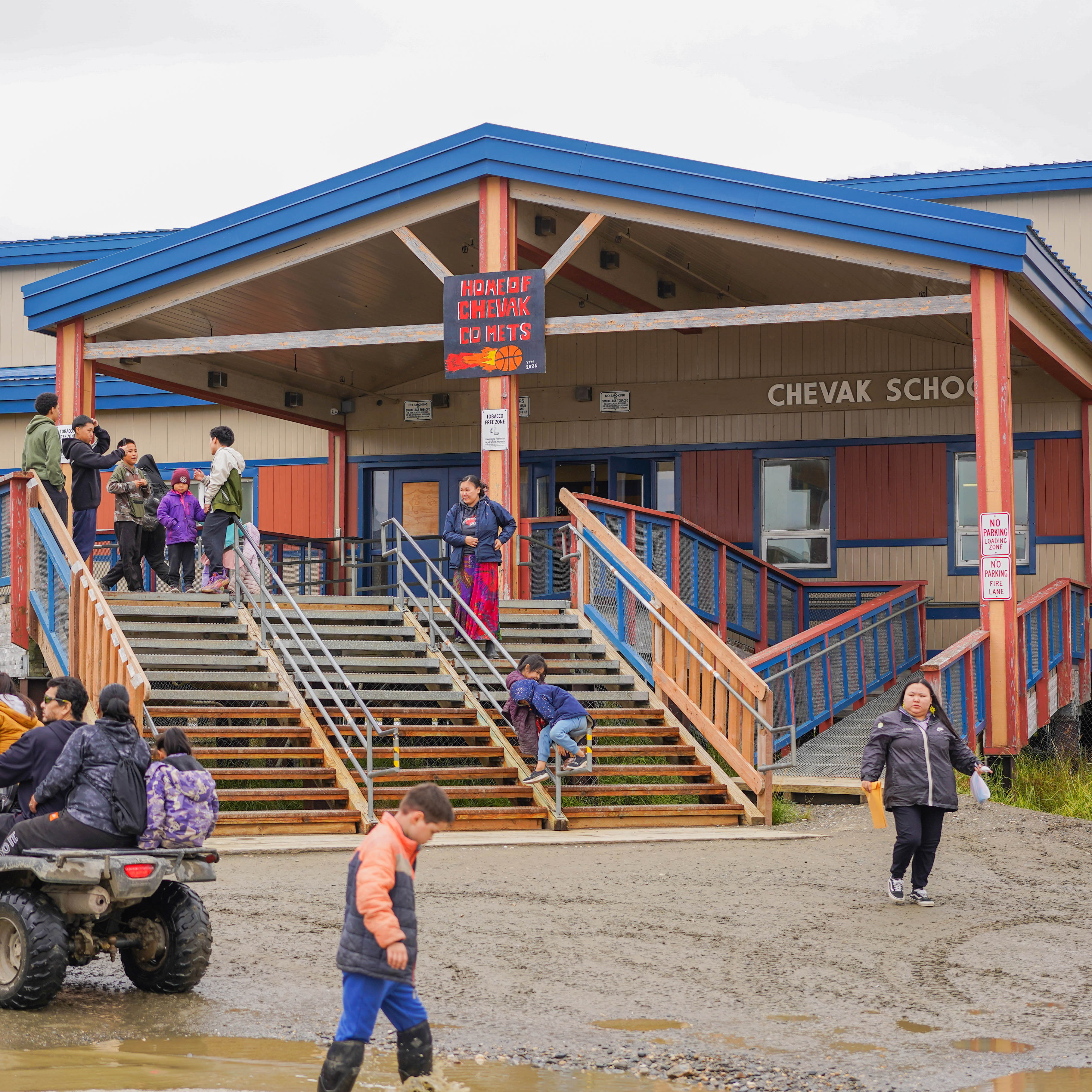
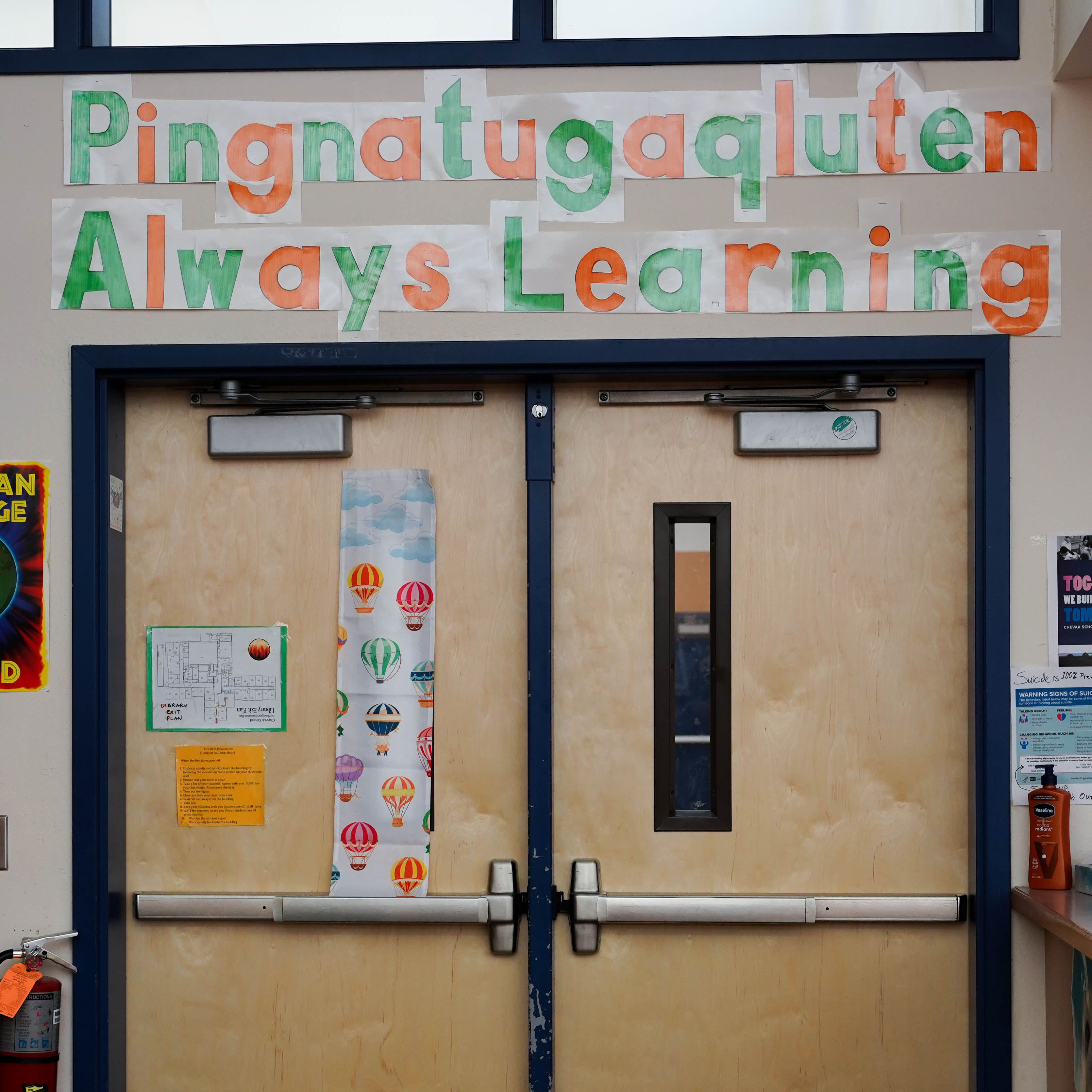
In the heart of Alaska's Yukon-Kuskokwim Delta, the Cup’ik community of Chevak is home to a public school where language, culture, and traditional knowledge are woven into education.
At Chevak School, learning extends beyond textbooks and classrooms. It is found in the stories of elders, the knowledge of the land and waters, and the traditions that have sustained generations of Cup’ik people. This approach to education is rooted in the community's history.
In the 1970s, Chevak's elders and community leaders advocated for a school district of their own, determined to ensure their children received an education that reflected their language, culture, and values. Their efforts established the Kashunamiut School District, a single-school district built around the community's vision for its children.
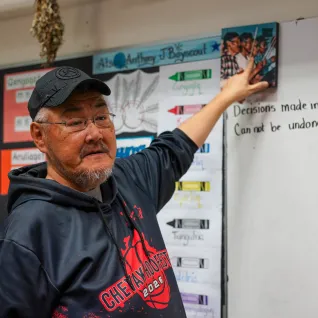
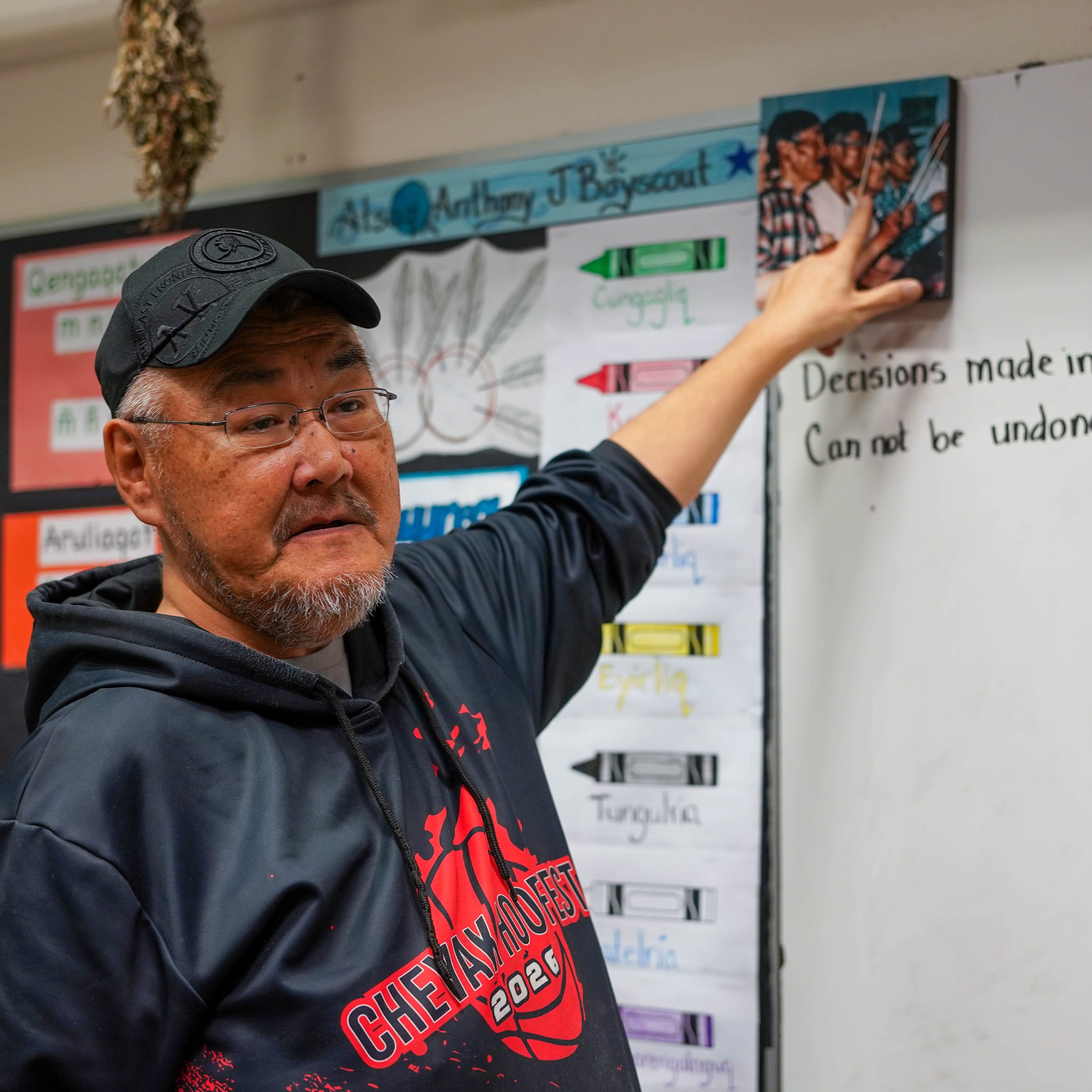
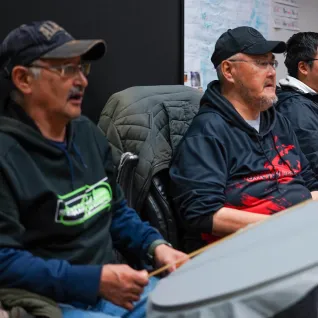
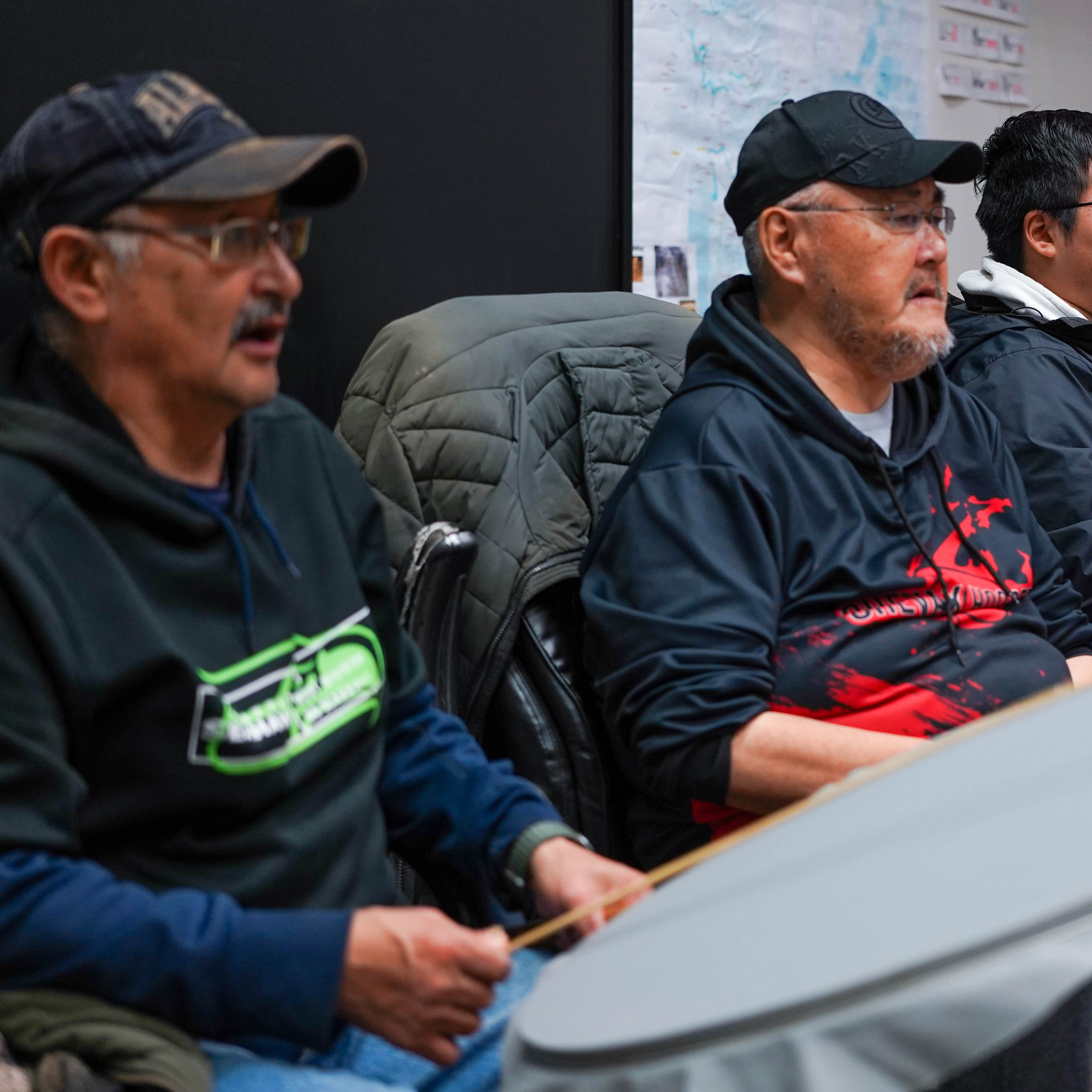
"All I know is five old men, elders that didn't know how to speak in English, with just a translator—that's how we got the school," recalled Anthony "Ox" Boyscout, a Cup’ik elder and educator at Chevak School.
Chevak education support professional and local association president Larry Noratak explains the importance of that decision.
"Our elders didn't want to be dictated by other people." - Larry Noratak, Chevak ESPA President
"We wanted to be able to continue our traditions and cultures in the school. And that's why they opted to become its own district so that we can have our cultural classes."
Today, that vision lives on through cultural education programs that connect students with their heritage and community.
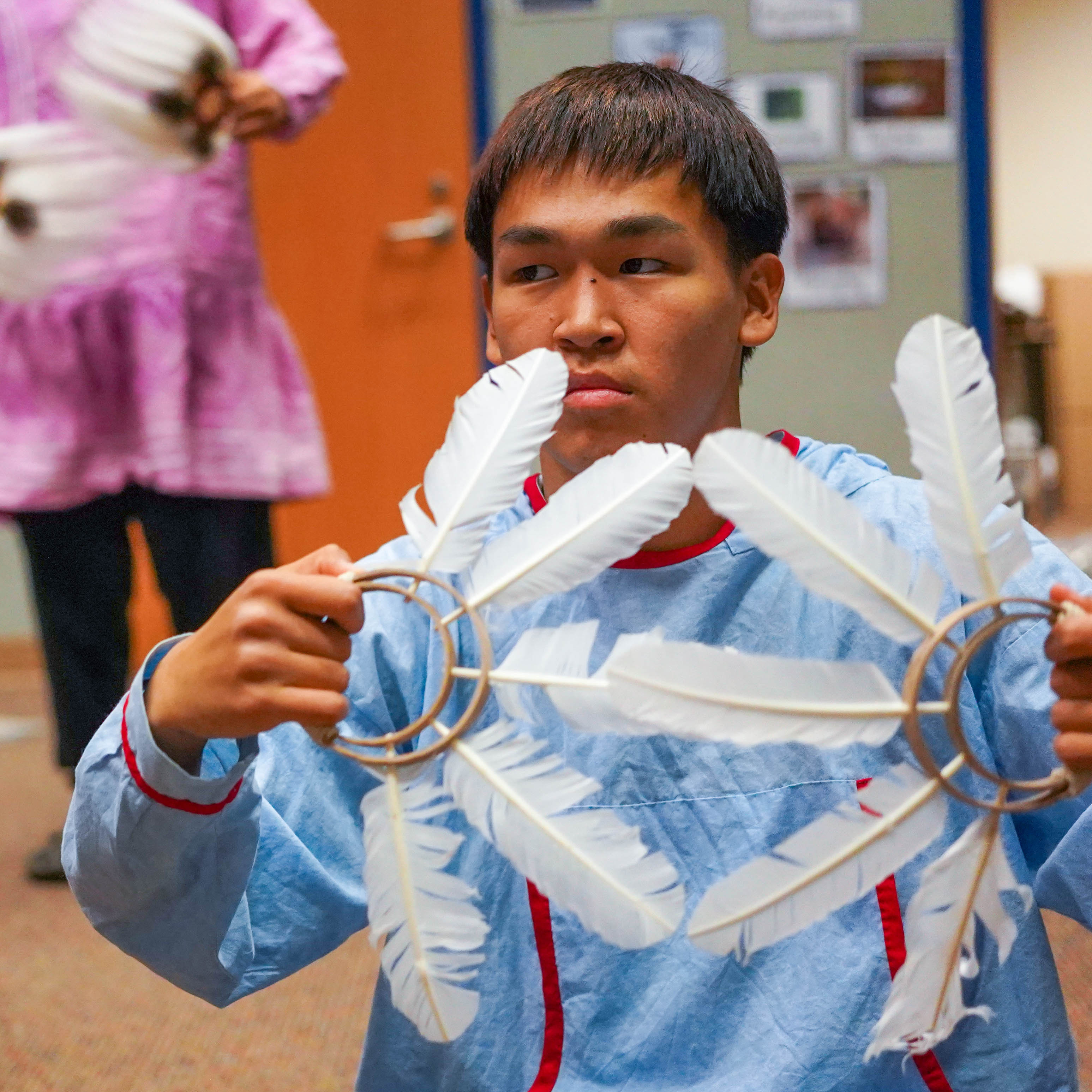
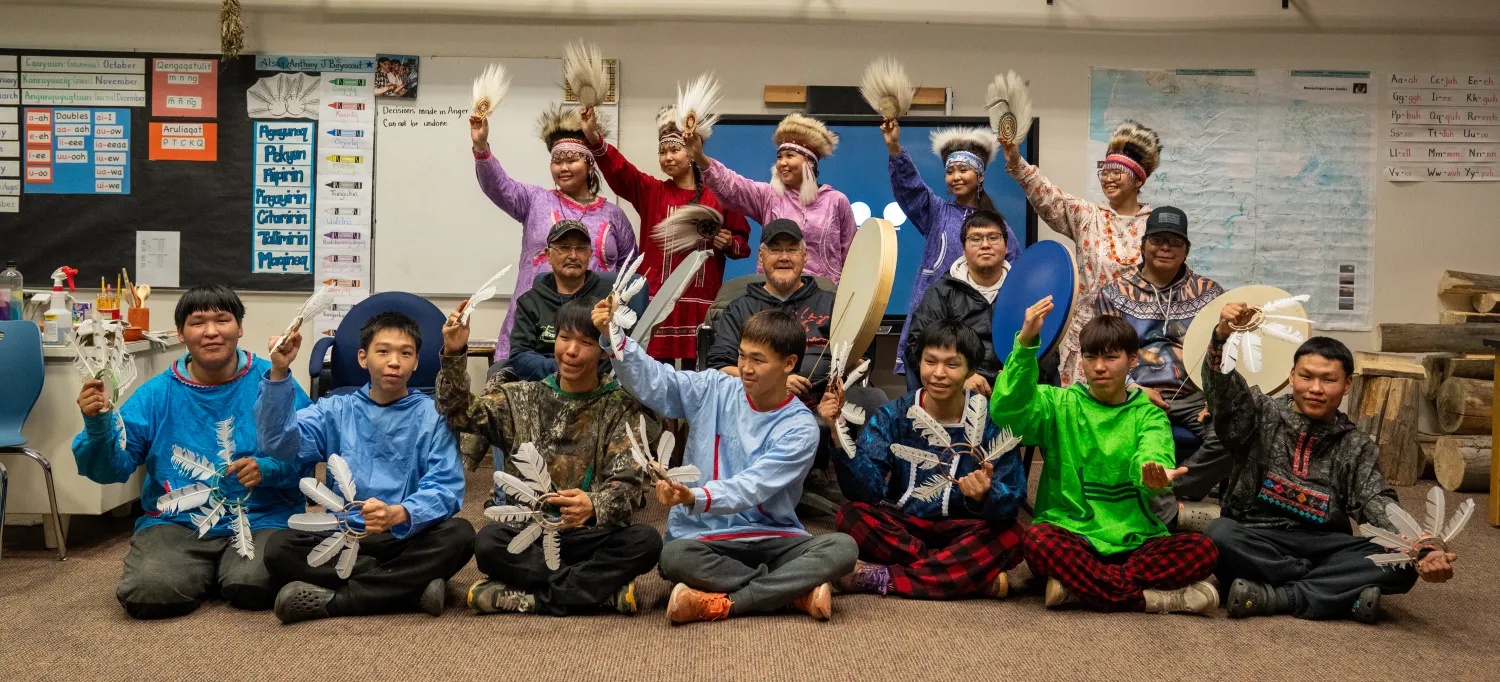
During Cultural Heritage Week and Sea Week, students participate in hands-on activities such as subsistence hunting and fishing, berry picking, camping, and traditional food preparation. Cup’ik dance, storytelling, traditional arts, and language instruction further strengthen those connections.
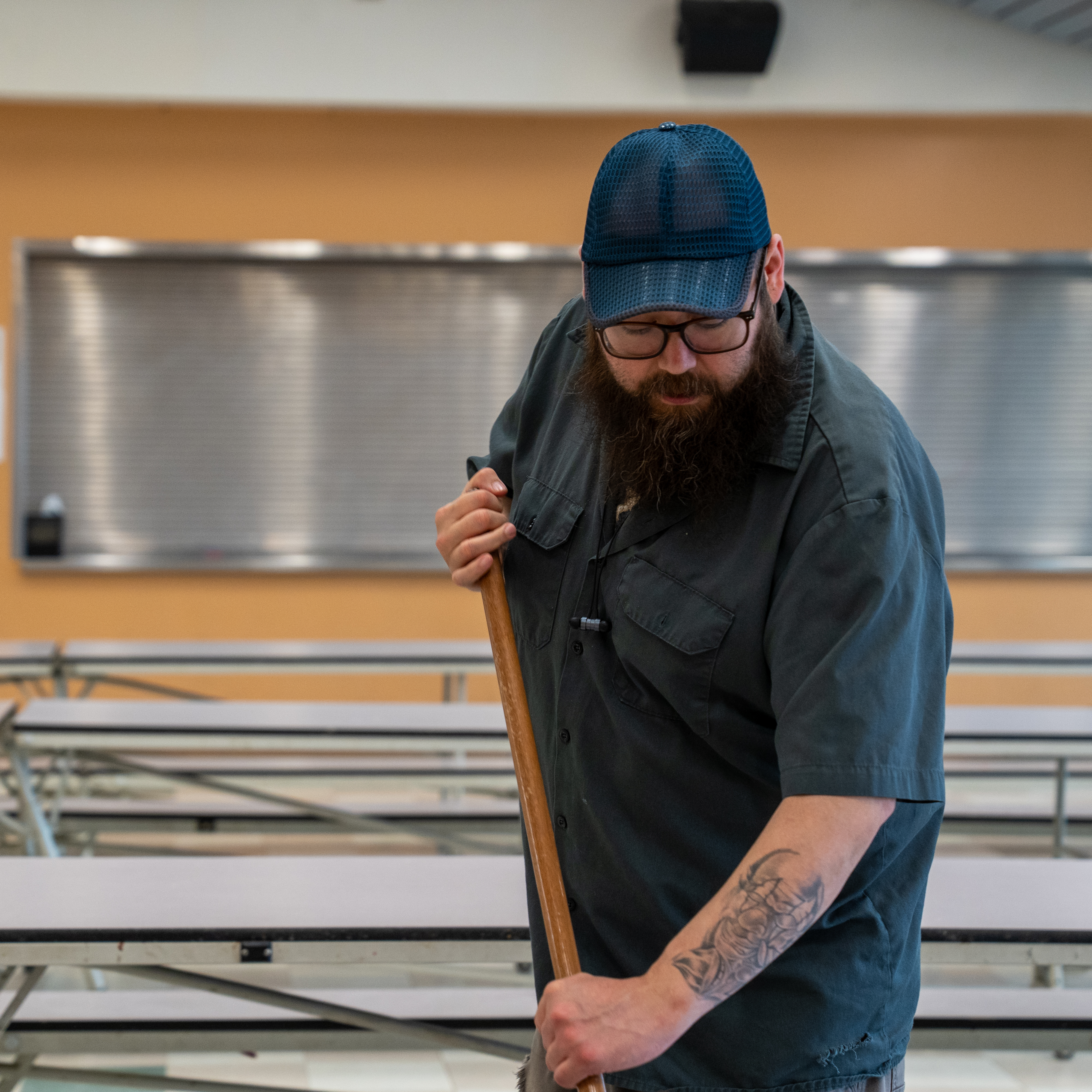
For Boyscout, who teaches Cup’ik history and language, learning through experience is essential.
"It's important that we get our kids to experience hunting, going out and learning about survival firsthand, you know, hands-on training, instead of sitting here, writing on the board, showing them pictures." - Anthony "Ox" Boyscout
These experiences do more than preserve traditions. They connect academic subjects like science, mathematics, and environmental studies to the knowledge and everyday lives of students.
The effort to preserve and strengthen the Cup’ik language is a powerful example of why culturally grounded education matters.
Like many Alaska Native languages, Cup’ik has experienced a decline in transmission between generations. Noratak knows this personally.
"I was raised with a mother that was fluent, but she didn't teach us," he shared. "She didn't speak it back home. So we kind of never really learned it."
For students growing up in primarily English-speaking households, school can provide an important opportunity to reconnect with their native language.
Boyscout hopes to see Cup’ik language and cultural instruction expanded across grade levels, creating more consistent opportunities for students to learn and practice throughout their education.
He remembers a warning shared by elders when he was young:
"We're going to lose our culture, we're going to lose our language if we don't teach our kids."
Those words continue to guide his work today.
For Noratak and Boyscout, preserving culture is only part of their mission. They also want students to graduate with the knowledge, confidence, and skills to build fulfilling lives.
When asked what he hopes for his students, Boyscout's answer was simple: "Have a good life."
That hope reflects something fundamental about public education: Students should never have to choose between academic opportunity and cultural identity. They deserve both.
Chevak School's story is a reminder that education cannot take a one-size-fits-all approach in a state as geographically and culturally diverse as Alaska. Students bring different languages, histories, and experiences into their classrooms, and our schools are stronger when those differences are recognized as strengths.
The vision established by Chevak's elders decades ago continues through the work of dedicated educators, but there is more to be done. Expanding cultural programs, strengthening language instruction, and creating opportunities to learn directly from elders all require meaningful support and investment.
At NEA-Alaska, we believe educators and local communities must have a strong voice in shaping their schools, and every student deserves an education that honors their identity while preparing them for the future. The educators of Chevak remind us that a strong public school does more than prepare students for what comes next. It helps them understand where they come from and carry that knowledge proudly into the future.